Optimal Timing for Infrared Inspections
Infrared inspections are most effective when conducted under specific environmental conditions that enhance the visibility of thermal anomalies. The timing of these inspections can significantly impact their accuracy and reliability. Understanding the optimal periods for infrared testing ensures that potential issues are detected early and accurately.
Spring and fall often provide ideal conditions due to moderate temperatures and stable weather, reducing false readings caused by extreme heat or cold.
Early morning or late evening are preferred times, as temperature differences between surfaces and the environment are most pronounced, improving defect detection.
Clear, dry days with minimal wind are ideal, as moisture and wind can distort thermal readings and reduce inspection accuracy.
A significant temperature difference between the inspected surface and ambient air enhances the visibility of thermal anomalies, making inspections more effective.
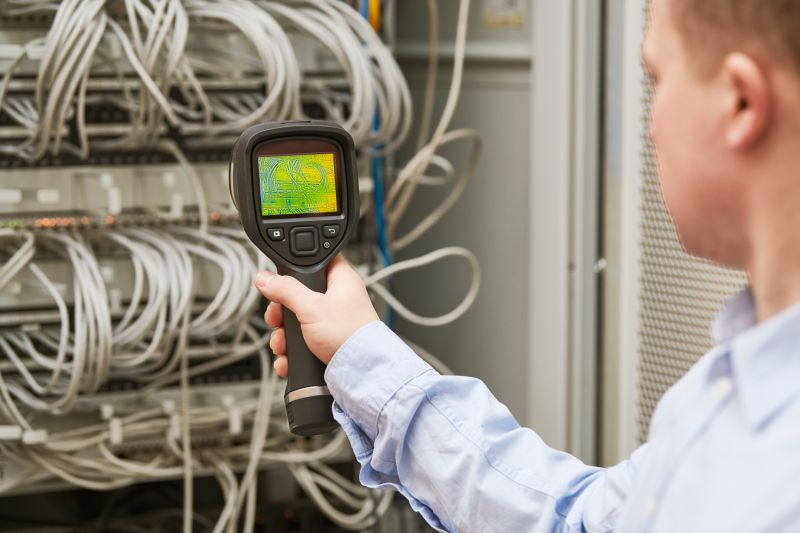
Early morning inspections capitalize on temperature contrasts, revealing hidden defects.
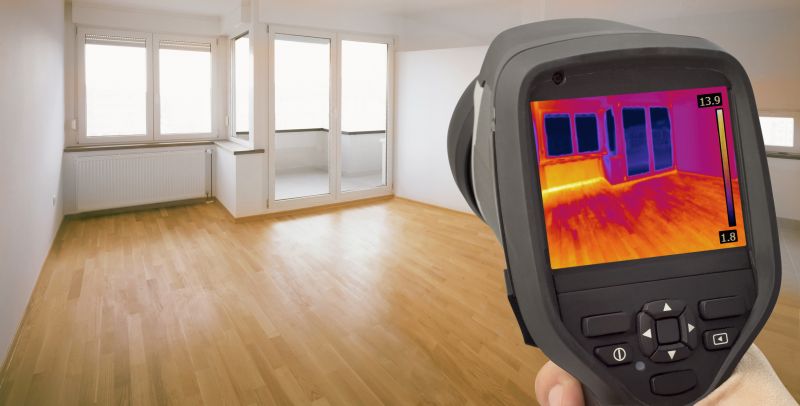
Late evening conditions often provide the best thermal differences for accurate analysis.
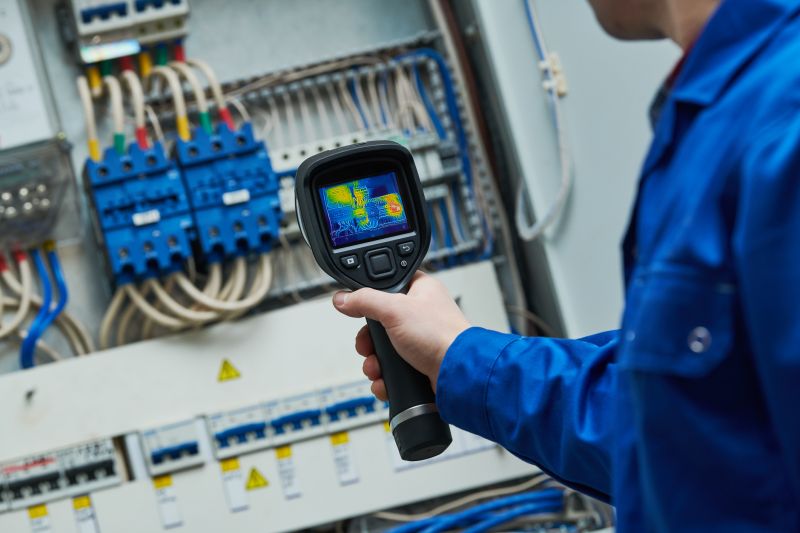
Clear, calm days enhance the accuracy of thermal imaging results.
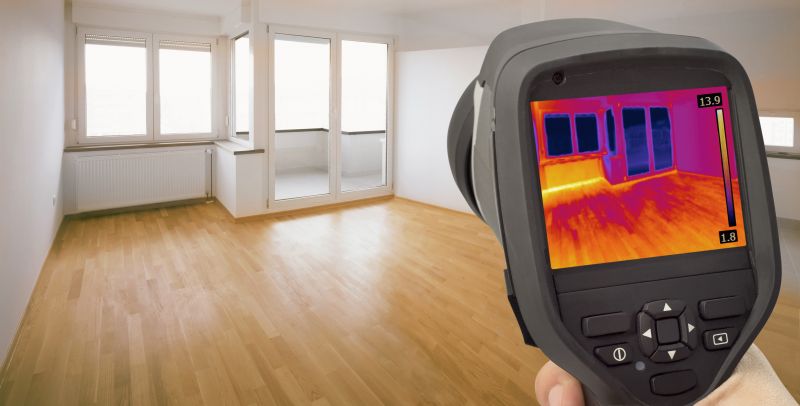
Ways to make Infrared Inspections work in tight or awkward layouts.
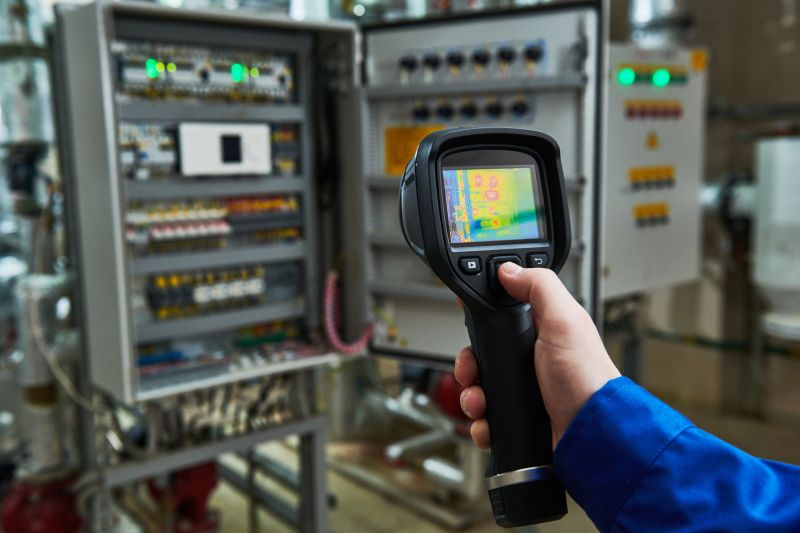
Popular materials for Infrared Inspections and why they hold up over time.
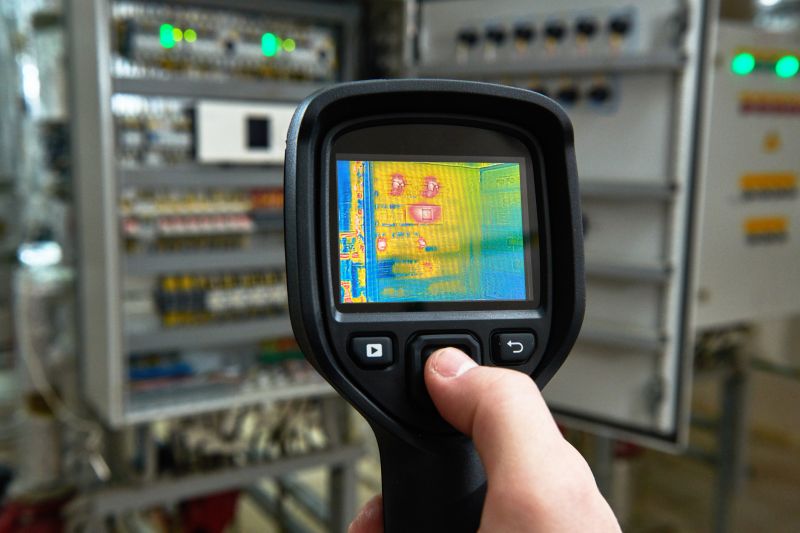
Simple add-ons that improve Infrared Inspections without blowing the budget.
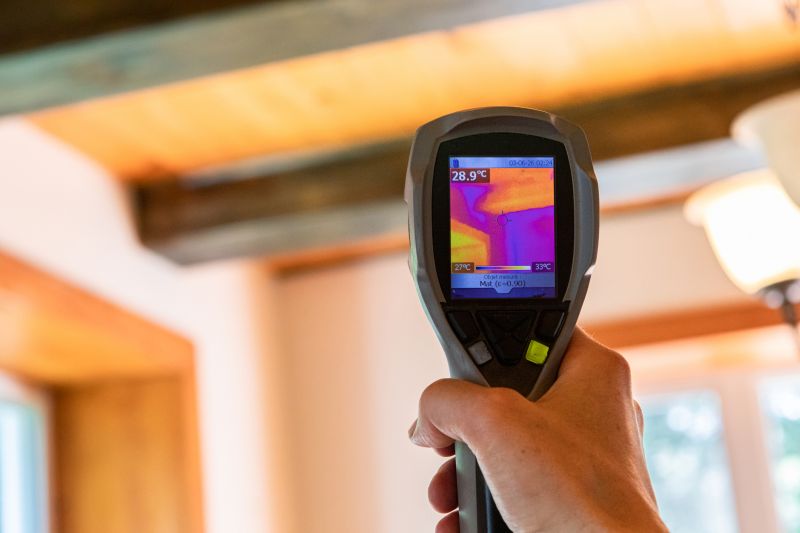
Infrared inspections utilize thermal imaging technology to detect temperature variations on surfaces, enabling early identification of issues such as electrical faults, insulation deficiencies, or moisture intrusion. These inspections are non-invasive and can be performed without disrupting operations, making them a valuable tool in preventive maintenance programs. Studies indicate that early detection through infrared imaging can reduce energy costs and prevent costly equipment failures.
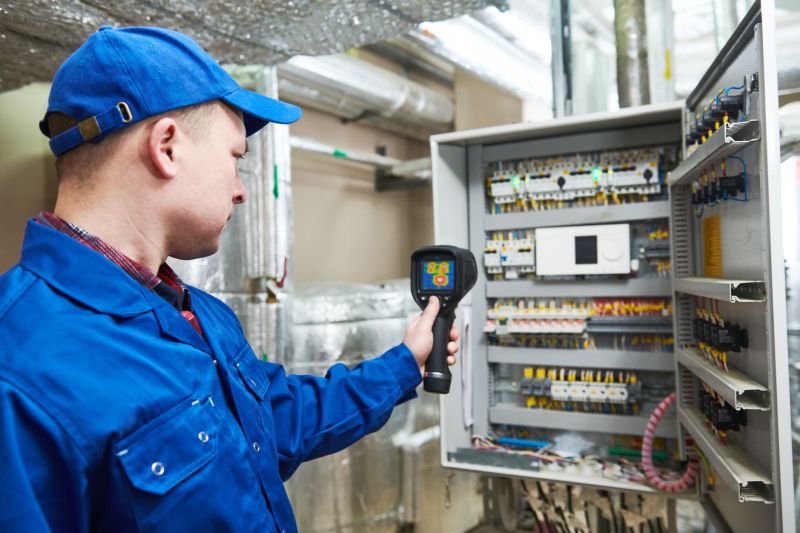
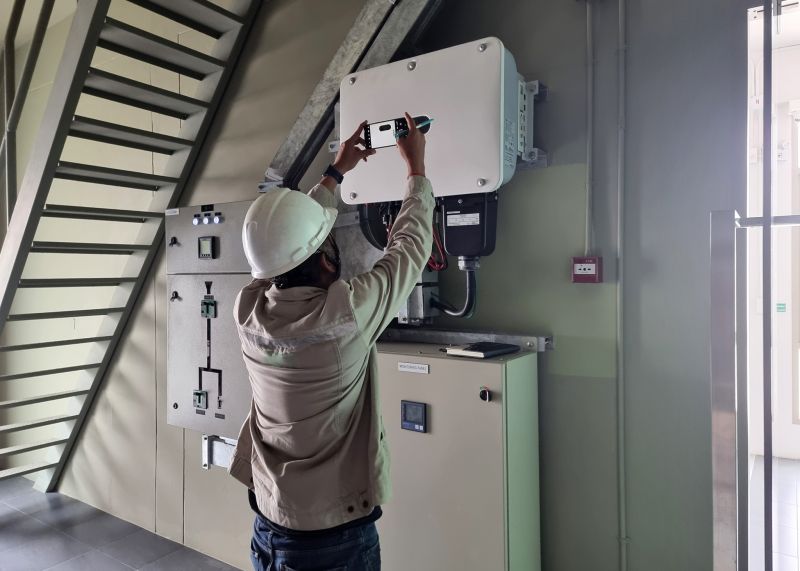
Identifies hotspots indicating potential electrical faults.

Detects insulation issues and moisture intrusion.
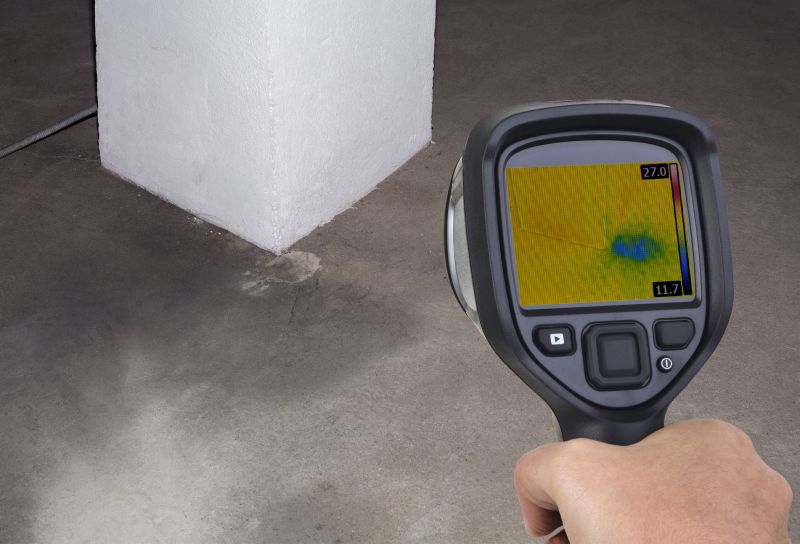
Reveals overheating components before failure.
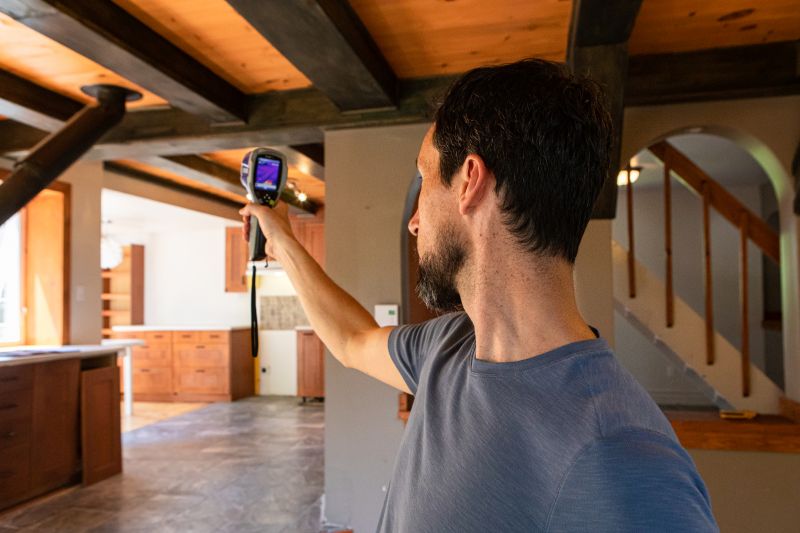
Assists in energy audits and building envelope assessments.
High-end options that actually feel worth it for Infrared Inspections.
Finishes and colors that play nicely with Infrared Inspections.
Little measurements that prevent headaches on Infrared Inspections day.
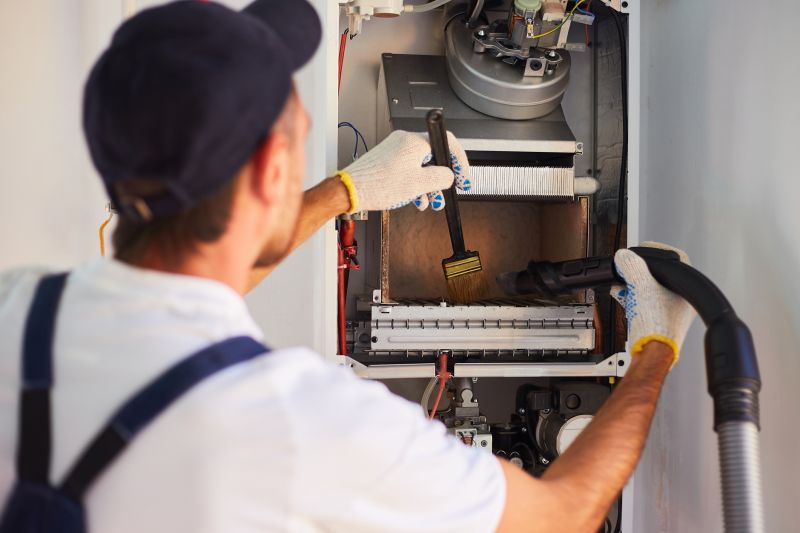
A 60-second routine that keeps Infrared Inspections looking new.
| Aspect | Details |
|---|---|
| Best Season | Spring and fall provide moderate temperatures ideal for thermal contrast. |
| Optimal Time of Day | Early morning and late evening for maximum temperature differential. |
| Weather Conditions | Clear, dry, and calm weather enhances accuracy. |
| Temperature Differential | A larger difference improves defect visibility. |
| Inspection Frequency | Regular inspections during optimal conditions help in early detection. |
| Environmental Factors | Wind, rain, and moisture can impair thermal readings. |
| Surface Material | Different materials emit heat differently, affecting results. |
| Equipment Calibration | Proper calibration is essential for accurate measurements. |
Scheduling infrared inspections during periods of optimal environmental conditions maximizes their effectiveness. Proper timing allows for the most accurate detection of thermal irregularities, supporting proactive maintenance strategies. Regular assessments aligned with these optimal periods can lead to significant cost savings and improved operational reliability.
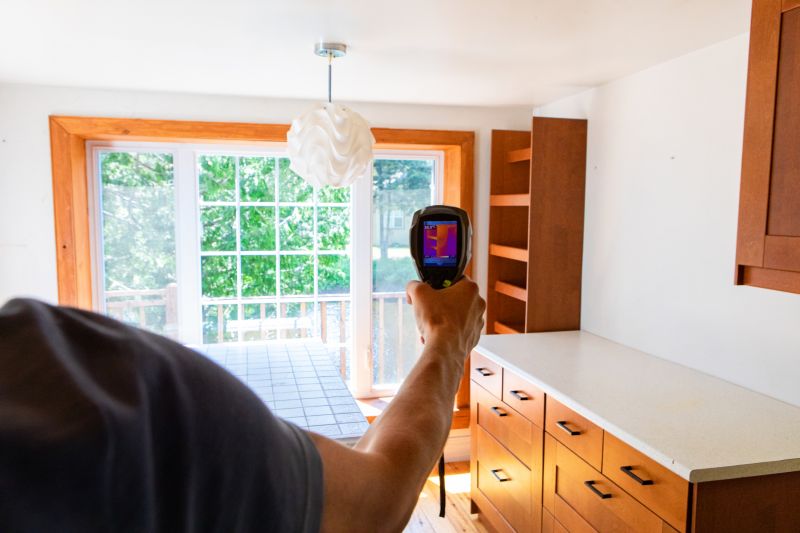
Cooler temperatures improve thermal contrast for defect detection.
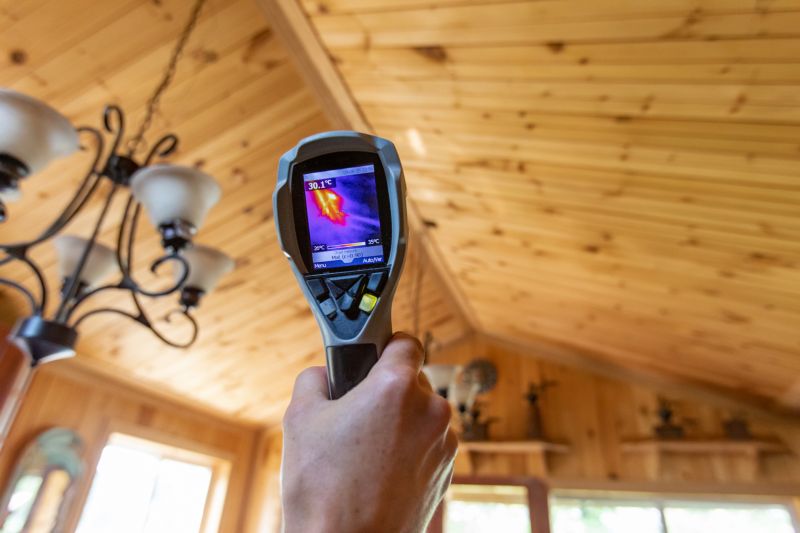
Minimal wind ensures stable thermal readings.

Proper setup is critical for accurate results.

A frequent mistake in Infrared Inspections and how to dodge it.

Small tweaks to make Infrared Inspections safer and easier to use.

Lower-waste or water-saving choices for Infrared Inspections.
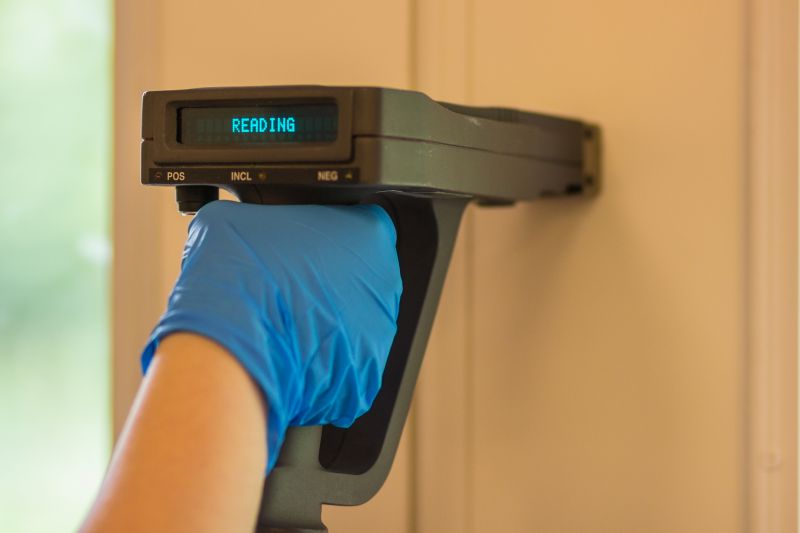
The short, realistic tool list for quality Infrared Inspections.
Rough timing from prep to clean-up for Infrared Inspections.
For individuals interested in scheduling infrared inspections, filling out the contact form provides a straightforward way to initiate the process. Accurate timing and proper conditions are essential for obtaining reliable results, making professional scheduling highly recommended.